The construction industry, constantly evolving to meet new demands, has seen a significant rise in the adoption of polyurethane building materials. These materials have become a reliable and practical addition to the construction materials portfolio, contributing to the industry's development in multiple ways.
Polyurethane's Diverse Applications in Construction
Polyurethane, recognized as one of the major plastics, has established itself as a key material in construction due to its range of beneficial properties. With high strength, effective insulation, durability, and flexibility, it serves various construction needs.
Insulation's Key Player
In building insulation, polyurethane stands out prominently. Rigid polyurethane foam, for example, has a thermal conductivity as low as 0.02 - 0.03 W/(m·K), making it highly efficient at reducing heat transfer. In North America, statistics show that buildings using polyurethane - based insulation systems can cut energy consumption for heating and cooling by up to 30%. In large - scale commercial buildings, like office complexes and shopping malls, polyurethane foam is commonly applied through spraying or used in pre - fabricated panels for wall, roof, and floor insulation. In countries such as Germany, nearly 40% of new residential buildings incorporate polyurethane insulation to comply with strict energy - saving regulations.
Enhancing Aesthetics and Longevity
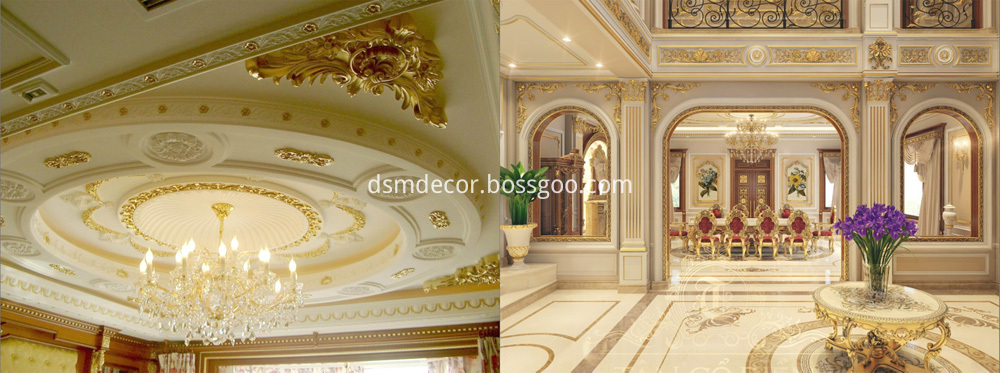
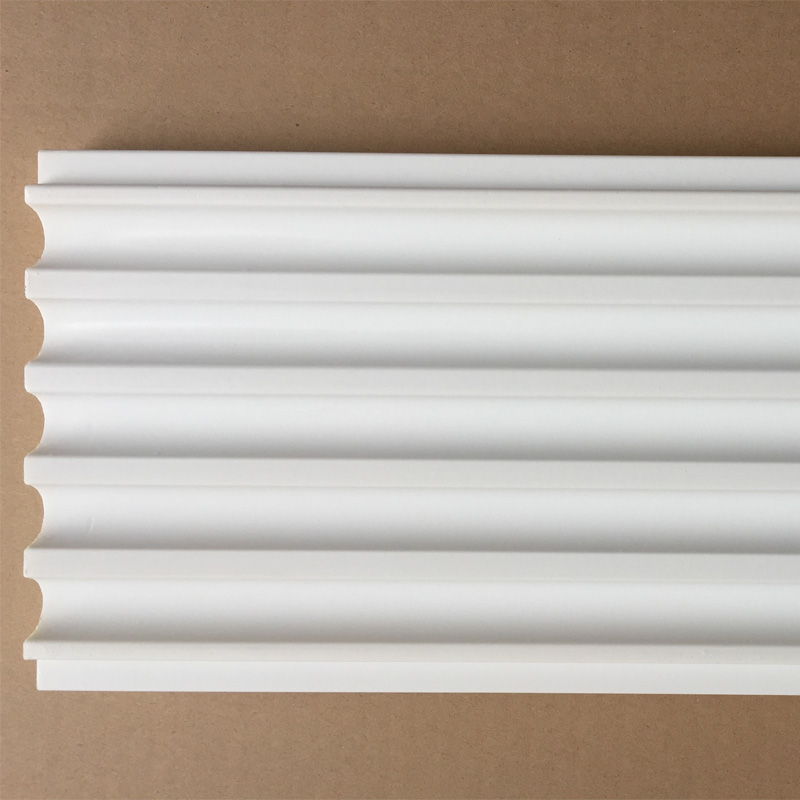
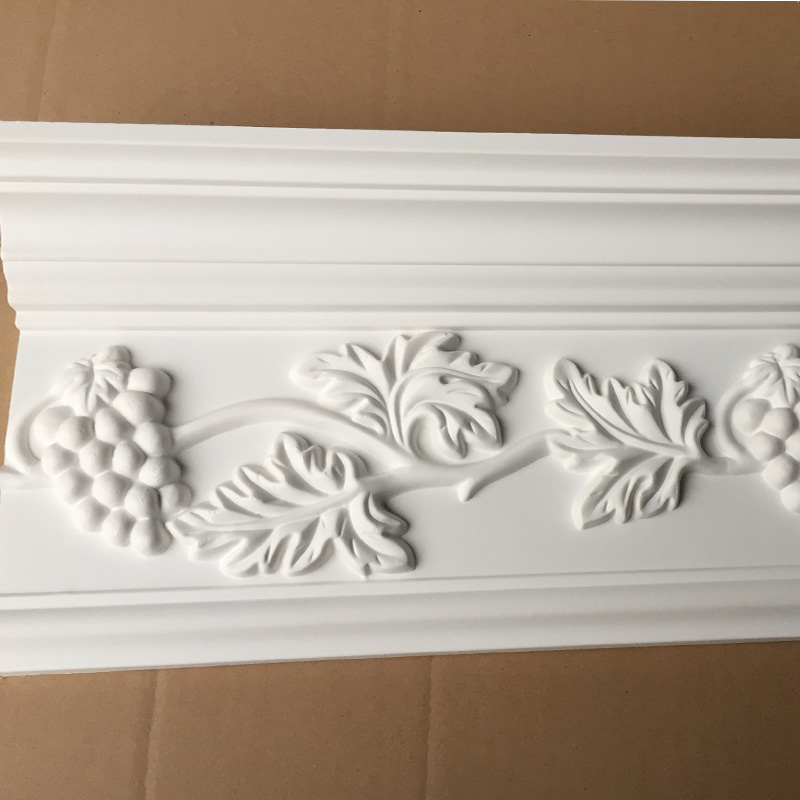
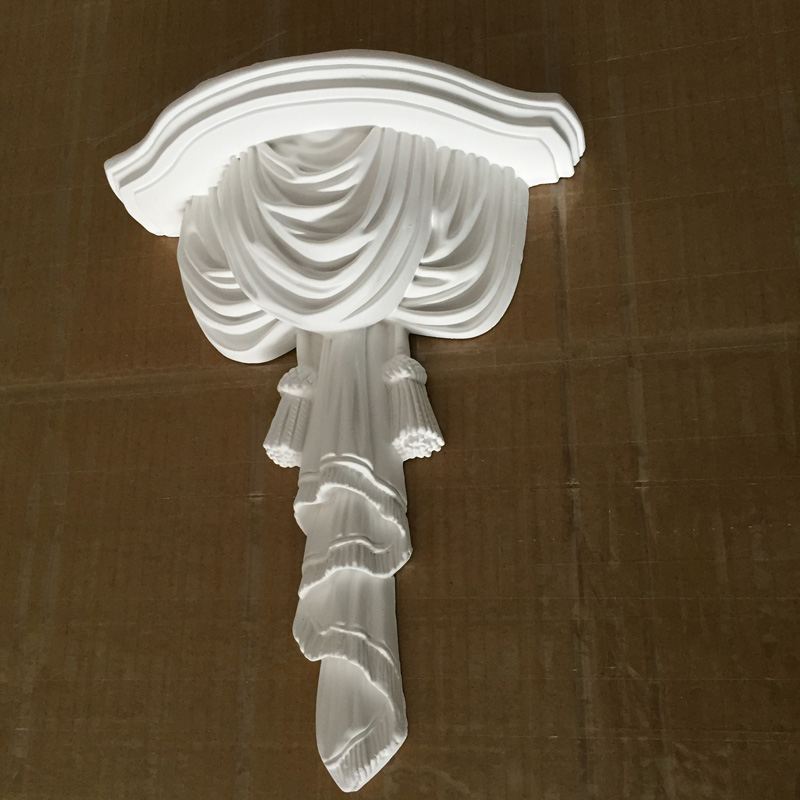
Polyurethane also makes a mark in construction's decorative aspects. Polyurethane - based coatings and paints offer both visual appeal and practical benefits. These materials can be engineered to replicate the appearance of high - end materials like wood or marble. In a luxury hotel renovation project in Dubai, polyurethane - coated surfaces were used extensively in guest rooms. The result was not only a luxurious look but also a surface that resisted scratches from luggage handling and stains from daily use, outperforming traditional paint by lasting up to 5 years longer. Additionally, polyurethane decorative moldings are increasingly replacing plaster in interior designs. Weighing about 60% less than plaster, they are easier to install and can be crafted into intricate designs, adding elegance to spaces without the need for complex and time - consuming plasterwork.
The Ecosystem of Polyurethane Building Materials
The production and supply chain of polyurethane building materials is a complex network. Upstream, the manufacturing of essential raw materials, isocyanates and polyols, is a technically demanding process. Companies like BASF and Covestro invest millions annually in research. Their efforts focus on improving the yield of raw material production and reducing production costs. For instance, BASF has developed new catalysts that can increase the reaction rate in isocyanate production by 15%, thereby boosting efficiency.
Downstream, manufacturers of polyurethane building products are continuously innovating. To meet the growing demand for sustainable construction, many are exploring bio - based raw materials. Huntsman Corporation, for example, has launched a line of polyols derived from soybean oil. These bio - based polyols can reduce the carbon footprint of polyurethane products by up to 40%, making them more environmentally friendly options for construction projects.
Innovation and Market Shifts
The construction industry has witnessed tangible advancements in polyurethane building materials. Self - healing polyurethane materials are a prime example. In a bridge project in the Netherlands, self - healing polyurethane coatings were applied. Over a period of 3 years, the material repaired 80% of minor cracks on its own, reducing the need for frequent maintenance and extending the bridge's lifespan.
Another significant trend is the rising popularity of pre - fabricated polyurethane - integrated building components. In the UK's affordable housing market, companies are using pre - fabricated polyurethane wall panels. These panels can be assembled on - site 40% faster than traditional construction methods, while maintaining high - quality standards. This not only speeds up the housing construction process but also ensures consistency in insulation and structural integrity across different units.
Obstacles and Future Prospects
While polyurethane building materials offer numerous advantages, they are not without challenges. The presence of volatile organic compounds (VOCs) in some polyurethane products is a major concern. However, the industry is taking action. For example, the European Union has set strict limits on VOC emissions for building materials. In response, manufacturers are developing low - VOC or VOC - free polyurethane formulations.
Looking ahead, as the construction industry continues to prioritize sustainability, energy efficiency, and smart building solutions, polyurethane building materials are poised for further growth. With ongoing research, we can expect the development of more advanced materials that balance performance and environmental responsibility, solidifying their position as an essential part of modern construction.